3D IC

CXMT
2026-07-27 02:21:53

CXMT Jumps 472% in Shanghai Debut After Raising $9.8 Billion in China’s No. 2 IPO

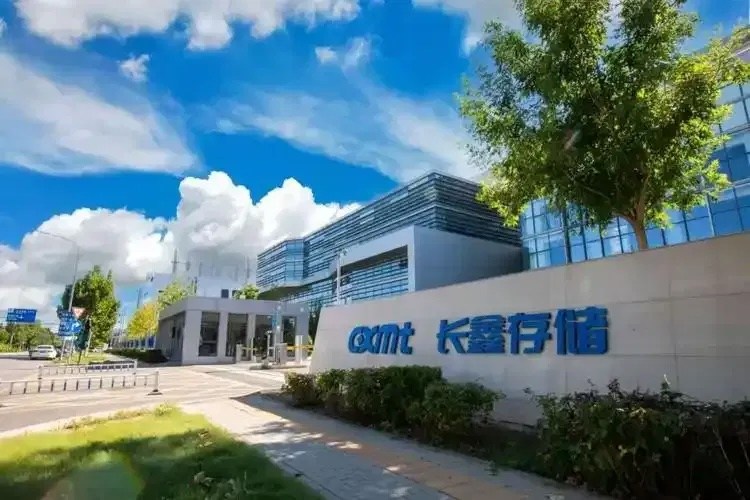
ChangXin Memory Technologies, or CXMT, surged 472% on its first trading day after listing on the Shanghai Stock Exchange on July 27, according to the source article. The Chinese memory chipmaker raised 66.6 billion yuan, about $9.8 billion, in what was described as the second-largest initial public offering in China’s history, behind only Agricultural Bank of China in 2010. The deal involved 6.688 billion shares priced at 8.66 yuan each, with the stock opening at 49.50 yuan and the company’s market capitalization reaching roughly 3.3 trillion yuan. Retail demand was heavy: the public tranche was oversubscribed by 212 times, with individual investors submitting 9.4 million orders worth a combined 7.07 trillion yuan. The report said CXMT is the world’s fourth-largest DRAM maker and has been investing in high-bandwidth memory research since 2023. Because U.S. export controls have cut off access to key tools used in standard HBM manufacturing, the company is shifting part of its strategy toward customized 3D DRAM and 3D integrated circuit technologies. Bloomberg data cited in the article showed the IPO was priced at 2.4 times book value, a 56% discount to global peers and a 77% discount to Chinese chipmakers.

1170
CXMT Jumps 472% in Shanghai Debut After Raising $9.8 Billion in China’s No. 2 IPO
Citrini
2026-07-25 09:12:58

Citrini says Korean chipmakers remain cautious on 3D IC commercialization as CXMT targets custom memory niches

Citrini analyst Jukan, citing a recent industry analysis from ZDNet Korea, said the AI semiconductor race is shifting away from process-node scaling and toward advanced stacking technologies, with 3D IC emerging as a key next-generation approach for vertically integrating logic and memory. He said Samsung Foundry has recently seen a surge in inquiries about 3D IC, with nearly every potential customer asking about the technology. Even so, Jukan argued that 3D IC is fundamentally customized DRAM made to order, which clashes with the core business model of Samsung and SK hynix, both of which are built around standardized products and large-scale volume production. In his view, the two Korean memory makers are likely to keep their work limited to early-stage research and stay cautious about broad commercialization. That hesitation, he said, is creating an opening for niche players. With U.S. semiconductor restrictions making it difficult for China’s CXMT to enter the HBM market, the company is pursuing 3D IC as a differentiated path, focusing on custom memory instead of taking on Korean suppliers directly in commodity DRAM. A Korean semiconductor industry official said China is already ahead in producing multiple 3D DRAM sample chips, and that companies such as CXMT and Winbond may be the ones to establish this market first.

1240
Citrini says Korean chipmakers remain cautious on 3D IC commercialization as CXMT targets custom memory niches
Nanya Technol
2026-07-22 08:34:13

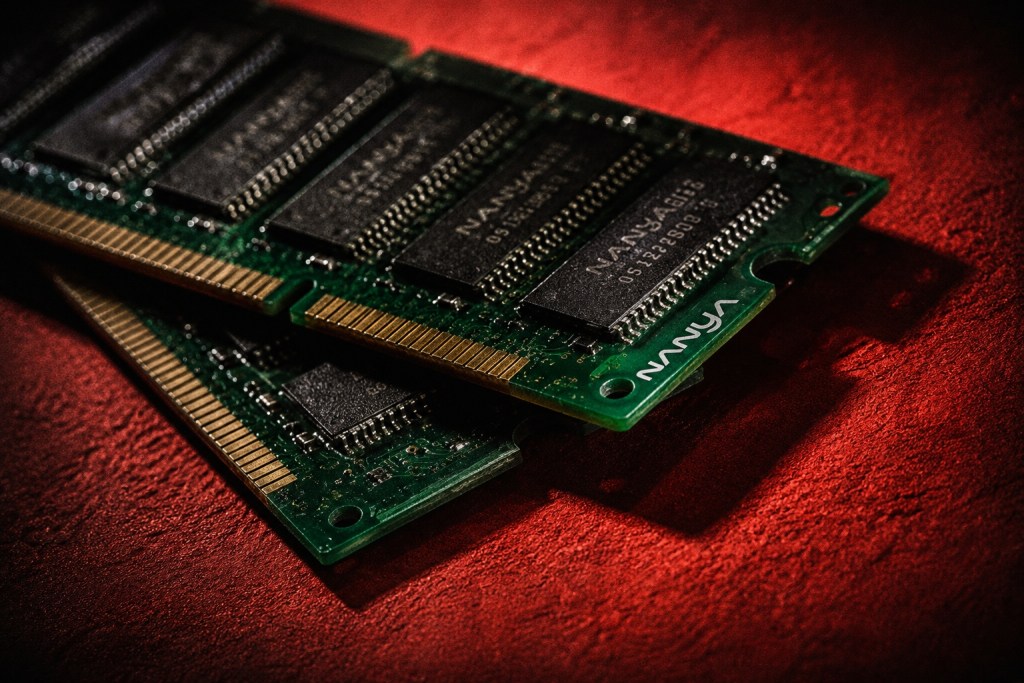
Nanya Technology says HBM is not the best fit for AI inference, pushes custom UWIO DRAM

Nanya Technology is repositioning its memory strategy as AI workloads shift from cloud training to inference at the device edge. Speaking at the Industrial Technology Research Institute’s forum on semiconductor and AI computing sustainability, senior vice president Wu Chih-hsiang said high bandwidth memory, or HBM, faces built-in limits in power use and I/O structure that make it less suitable for AI PCs, smartphones, and portable devices. The company is betting on custom UWIO DRAM paired with Wafer-on-Wafer 3D IC stacking. According to Wu, the design allows DRAM to be integrated directly on top of CPU or ASIC logic chips, reducing signal loss and latency associated with conventional packaging. He said the architecture can deliver 5x to 10x the bandwidth of traditional approaches while cutting per-bit energy use to between one-third and one-tenth of HBM. Nanya also tied that product push to broader demand growth. The company said memory capacity in AI PCs has risen from 16GB to 128GB per machine, with annual global shipments reaching hundreds of millions of units. On manufacturing, Nanya said its Taishan fab in New Taipei City, a project with planned investment of NT$500 billion, is expected to begin volume output as early as the start of next year.

1100
Nanya Technology says HBM is not the best fit for AI inference, pushes custom UWIO DRAM